
KiwiHarvest does not supply food direct to the public. You can check at Zero Hunger to find your nearest food bank.
Queenstown & central lakes branch
Help us feed queenstown & central lakes
Donating to support our daily operations
Partnering as a food donor or sponsor
Volunteering as a regular e-bike collection rider or truck support collection role, or a one-off group session at our depot, working on our KiwiHomeHarvest programme
Advocating for food rescue in your community
Together, we can keep good food in the community and out of landfill.
Every kilogram of food rescued makes a difference. Demand for food support continues to grow across the Queenstown-Lakes and Central Otago districts, particularly through the colder winter months when household budgets tighten. With your help, we can rescue more food, reach more communities, and make an even greater impact.
You can help by:
meals into the community for Fy26
Queenstown & Central Lakes: 447,671 meal equivalents delivered (based on 450g meals)
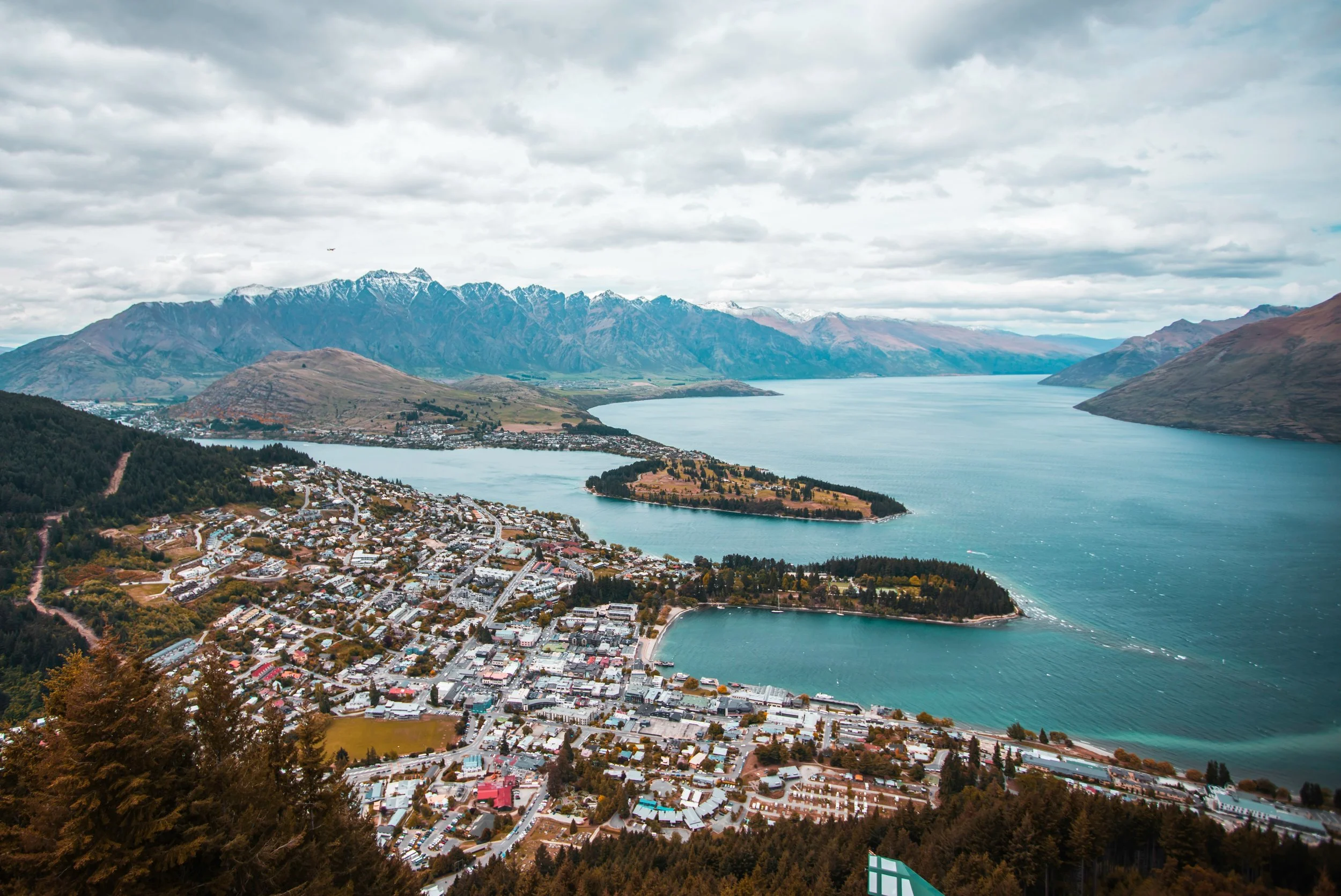
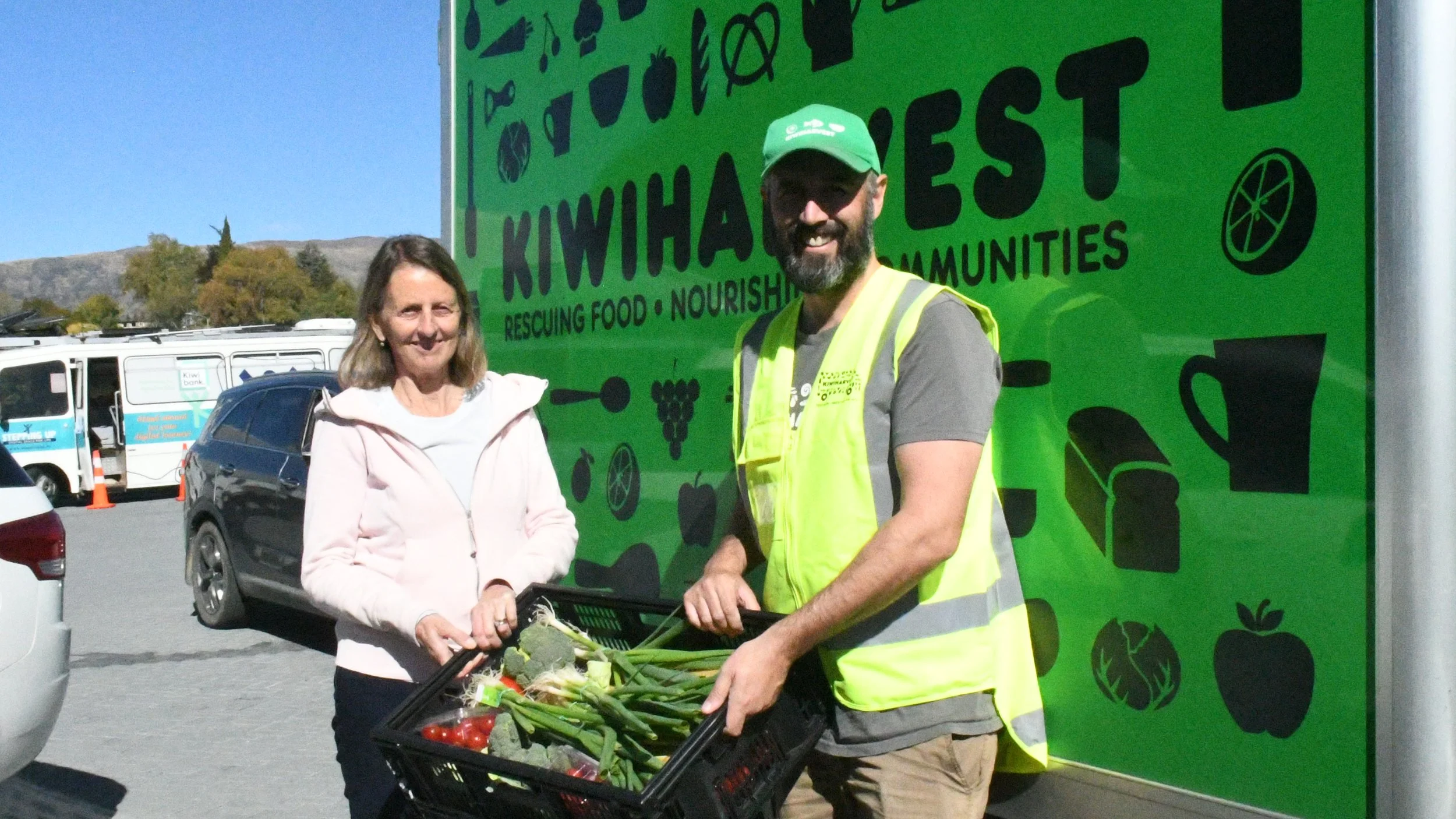
Serving one of New Zealand's most visited yet highest cost-of-living regions, KiwiHarvest Queenstown & Central Lakes collects quality surplus food across the Whakatipu and Central Otago districts and redistributes it to local charities, community organisations, and whānau in need, keeping good food out of landfill and in the hands of people who need it most.
From the CBD to Frankton, the orchards of Central Otago, and the broader lakes district, we connect food businesses, growers, and hunters with community through a "hand up, not a handout" approach that upholds dignity and builds long-term resilience. Every programme we run is also part of a deliberate, collective effort to address a stark regional reality: our district produces less than 5% of its own calorie needs, and holds approximately three days' worth of food in the event of a major emergency.
Building food sovereignty and resilience here is not optional; it is urgent.
Why KiwiHarvest queenstown & central lakes Matters
The only dedicated food rescue operation serving the Queenstown-Lakes and Central Otago regions
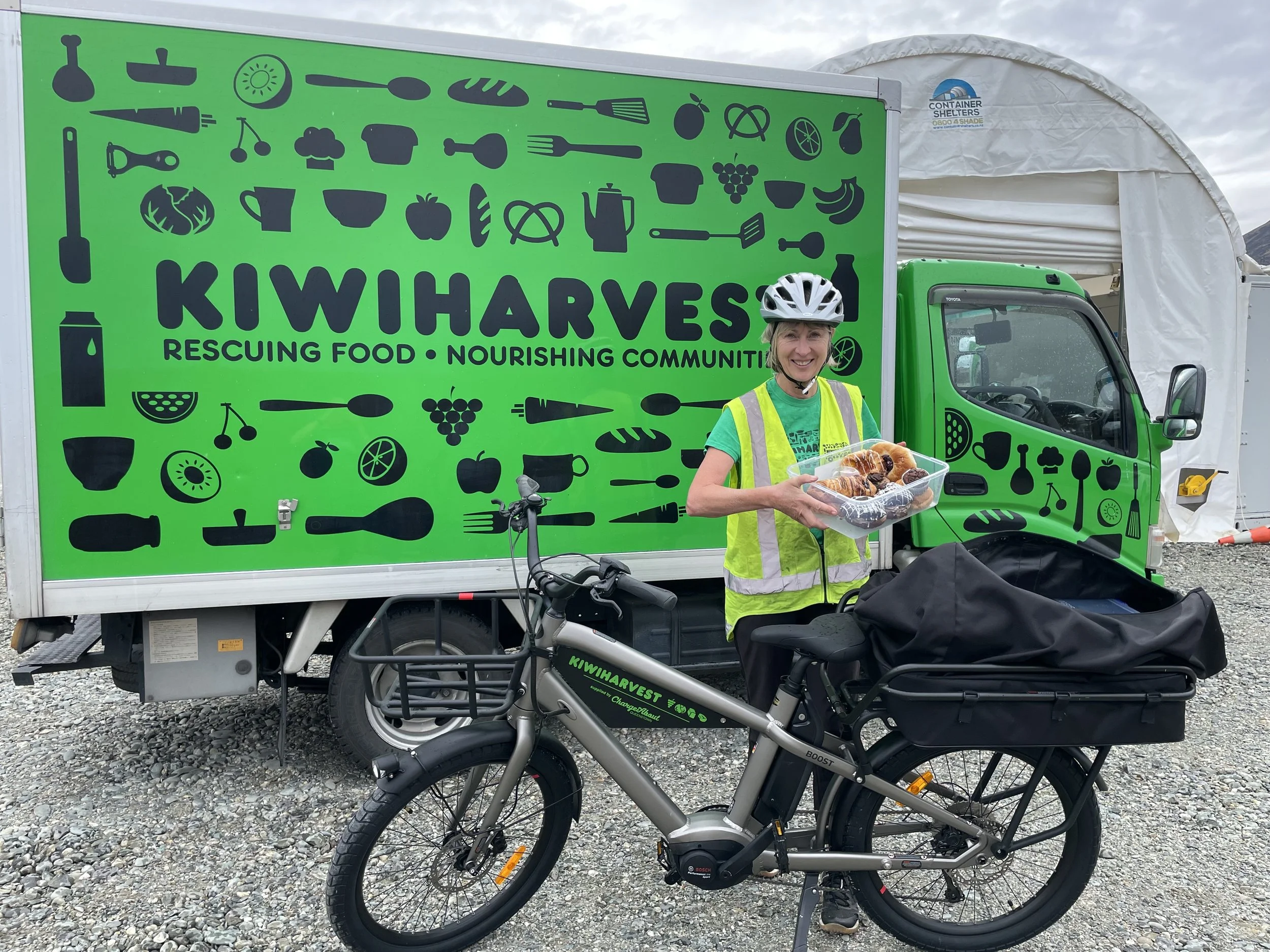
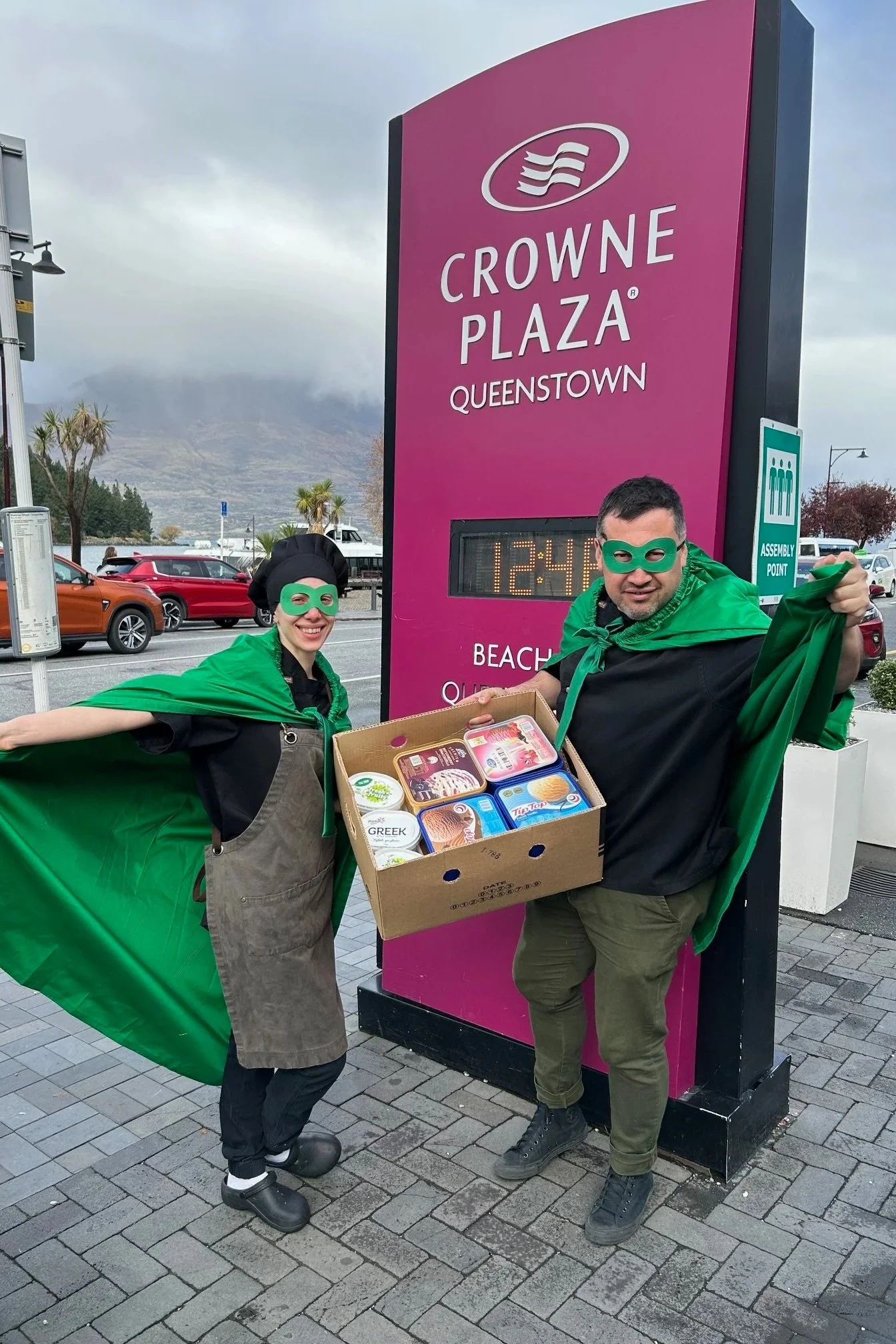
Operating unique cargo e-bike collection routes across the Queenstown CBD and Frankton, reducing emissions while keeping food moving
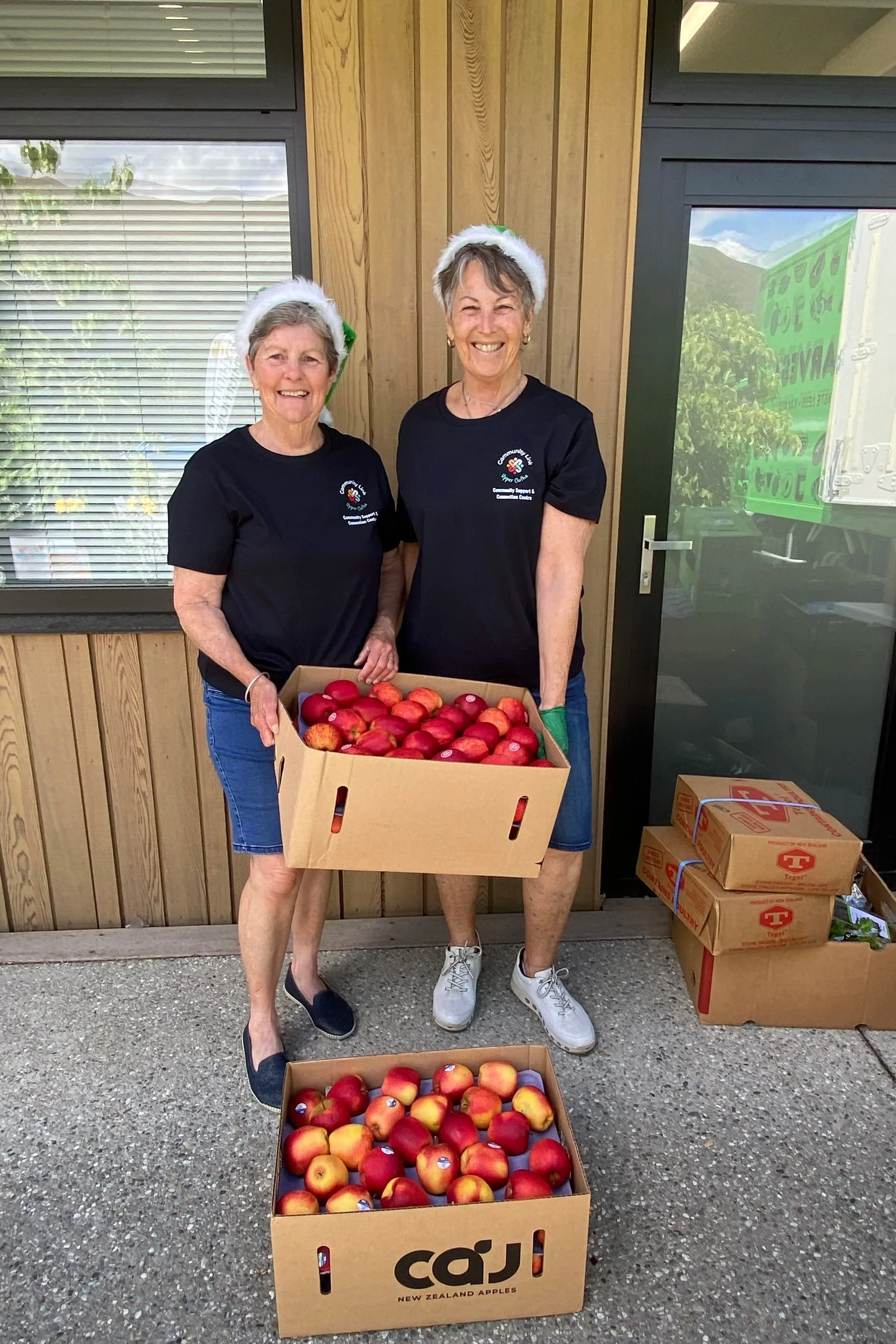
Partnering with Central Otago orchardists to rescue surplus seasonal fruit, providing charity recipients with fresh, locally grown produce almost every month of the year
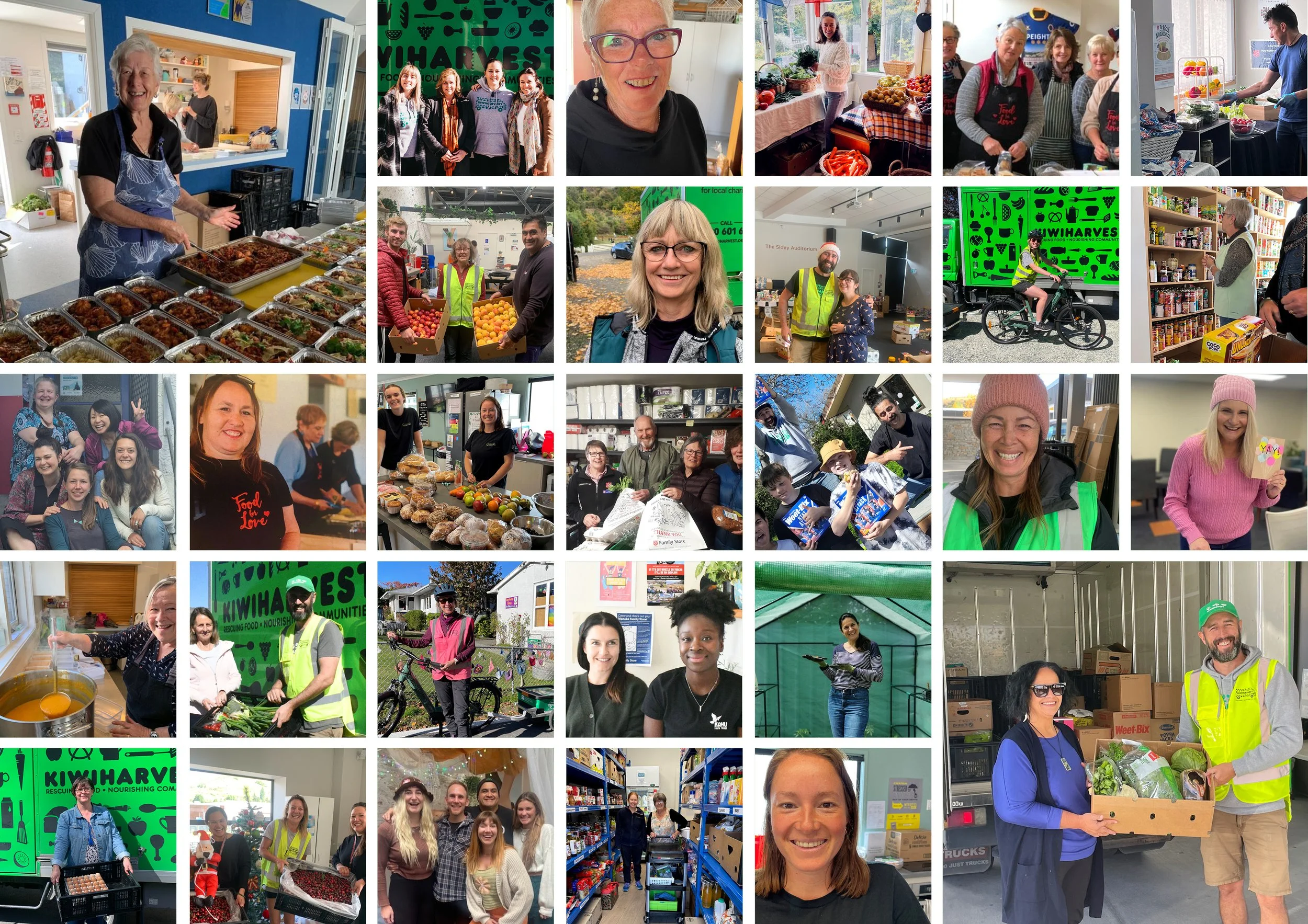
Supporting 17+ community organisations across the district
Running year-round programmes that respond to both seasonal spikes in need and the region's deeper, structural food vulnerability
An active member of the Southern Lakes Kai Collective, working alongside partner organisations to rebuild local food sovereignty from the ground up
We’re not just redistributing food - we’re strengthening the entire local food system, from the alpine resort core to the orchards and high country Central Otago.
Partnerships & Community Initiatives
KiwiHarvest Queenstown & Central Lakes works in partnership with the Southern Lakes Kai Collective to strengthen regional food resilience in a region that produces less than 5% of its own caloric needs and holds only days of food security in an emergency.
Our work spans orchard rescue across Central Otago, salvaging seasonal fruit to ensure locally grown abundance reaches whānau rather than going to waste, alongside a wild venison programme with the Southern Lakes Deerstalkers Association that provides high-quality protein to those in need through a circular, community-led system.
In urban areas, our zero-emissions cargo e-bike collection teams recover surplus food from Queenstown cafés, bakeries, and supermarkets, while also engaging corporate volunteers in hands-on collection days that demonstrate the impact of food rescue first-hand.
Through Souperhero, we partner with schools and hospitality providers to transform surplus food into meals, learning opportunities, and winter surge support when need is greatest.
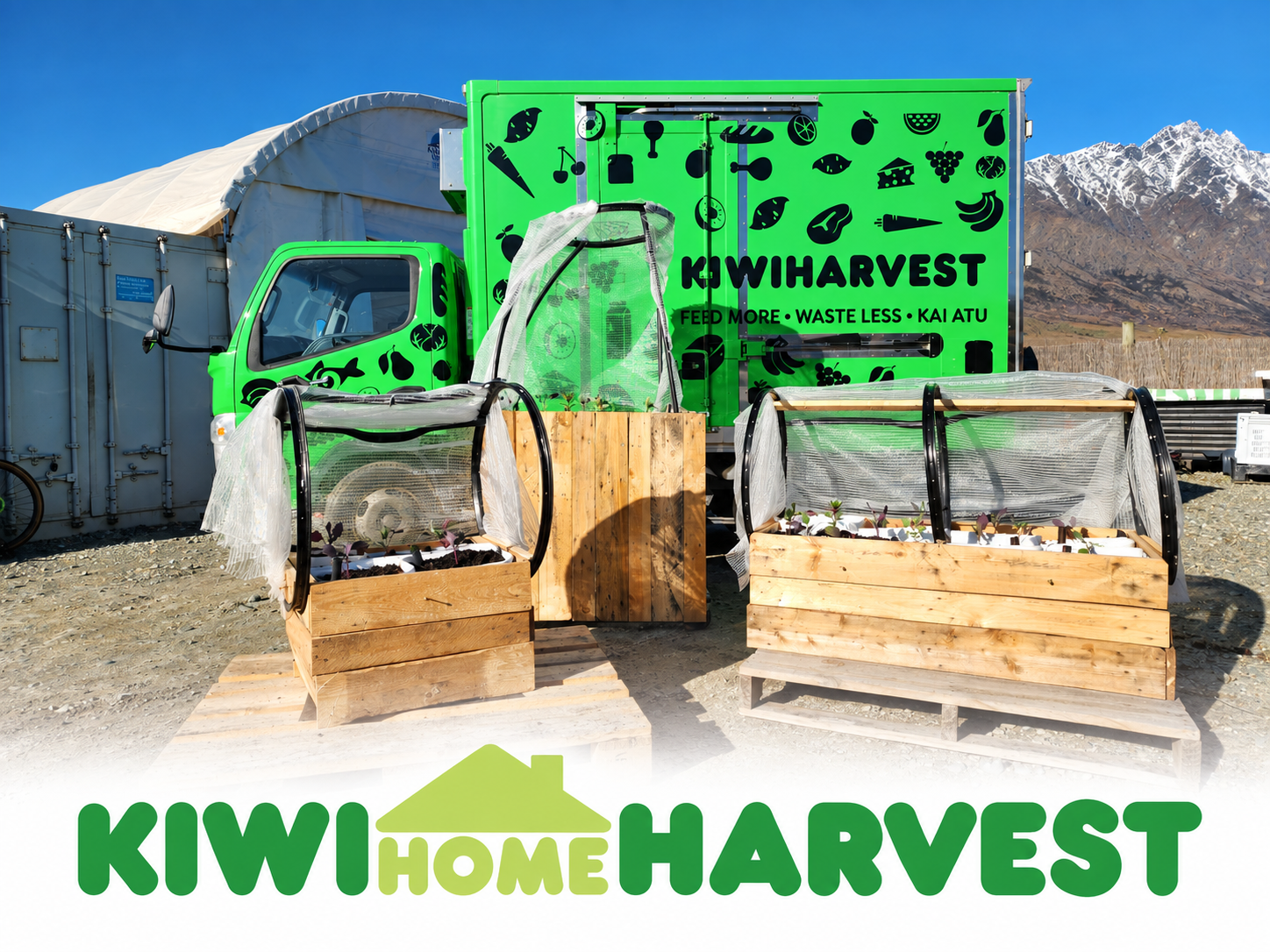
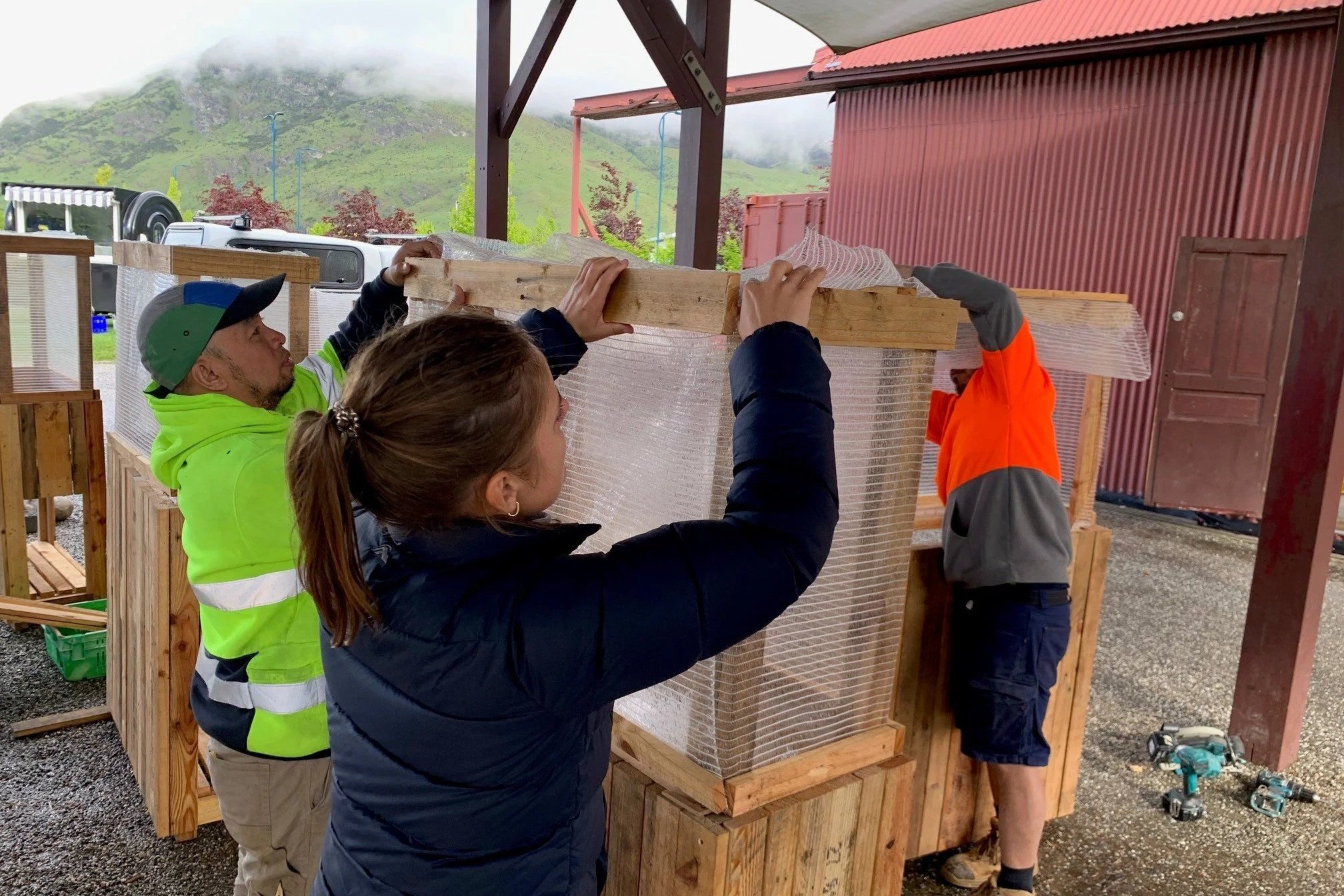
We also support KiwiHomeHarvest, enabling households to grow food through upcycled, self-watering garden units that build long-term food capability. Together, these initiatives reduce waste, strengthen local supply chains, and move the region closer to true food sovereignty, where more food is grown, shared, and sustained within the community itself.
rEAL IMPACT WHEN IT MATTERS MOST
The Queenstown-Lakes and Central Otago regions present a unique challenge: a high-profile, high-cost economy that masks genuine hardship for the seasonal workers, young families, and long-term residents who make the district function.
Food, rent, and housing costs are already among the highest in the country, and they don't ease when winter arrives, and work becomes scarce. Beneath the day-to-day pressure sits a structural vulnerability that the Southern Lakes Kai Collective is working to address: a region almost entirely dependent on outside supply chains for its food, with minimal buffer if those chains are disrupted.
Our year-round operation means that when need surges, we're already in place, with established donor relationships, active collection routes, orchard partnerships, processed venison in the freezer, and community partners ready to receive and distribute. Each programme we run builds both immediate relief and long-term capacity.